
How to Keep Your Home Cool and Your Energy Bill Low
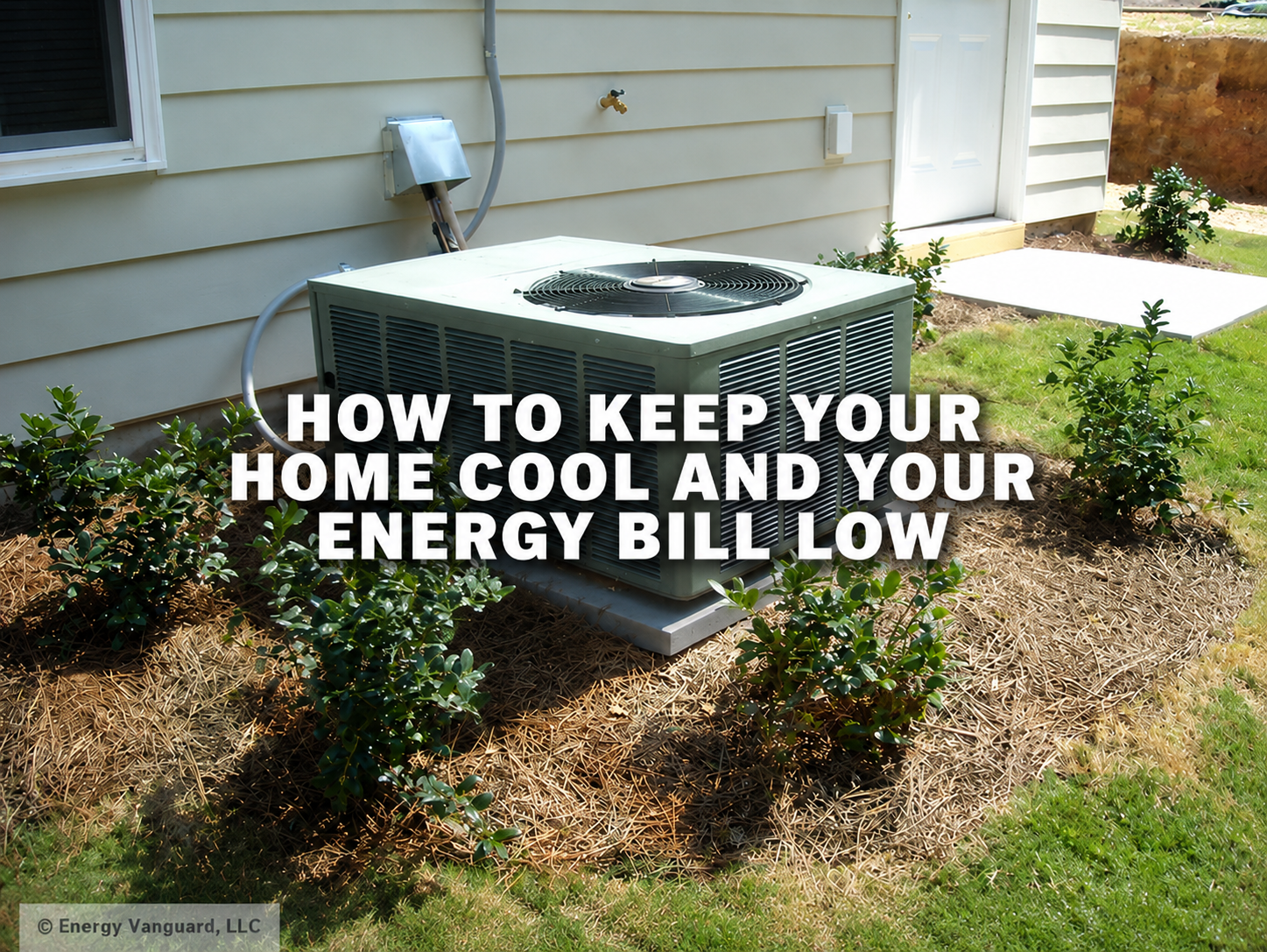
How to Keep Your Home Cool and Your Energy Bill Low This Florida Summer
If you've spent even one summer in Pensacola, you know Florida heat isn't just hot—it's relentless. Between soaring temperatures, high humidity, and air conditioners working overtime, many homeowners are shocked when their electric bill arrives.
The good news? Keeping your home comfortable doesn't always mean cranking the thermostat down to 68°. A few simple changes can make a noticeable difference in both your home's comfort and your monthly energy costs.
Whether you're planning to stay in your home for years or thinking about selling, these tips can help protect your investment while saving money.
1. Set Your Thermostat Wisely
One of the easiest ways to reduce your energy bill is by adjusting your thermostat.
The U.S. Department of Energy recommends setting your thermostat around 78°F when you're home and a few degrees higher when you're away. Every degree you lower your thermostat can increase your cooling costs.
A programmable or smart thermostat can automatically adjust temperatures throughout the day, helping you save money without sacrificing comfort.
2. Change Your Air Filter Regularly
This small maintenance task has a huge impact.
A dirty air filter restricts airflow, forcing your HVAC system to work harder than necessary. During Florida's hottest months, it's a good idea to check your filter every month and replace it every 1–3 months depending on usage and pets.
Benefits include:
Better airflow
Lower energy consumption
Improved indoor air quality
Longer HVAC lifespan
3. Seal Air Leaks
Your air conditioner can't keep up if cool air is constantly escaping.
Check around:
Windows
Exterior doors
Garage doors
Attic access
Electrical outlets on exterior walls
Weather stripping and caulking are inexpensive weekend projects that can significantly improve your home's efficiency.
4. Close Curtains During Peak Sunlight
Florida sunshine is beautiful—but it also heats your home quickly.
Keeping blinds or blackout curtains closed during the hottest part of the afternoon can dramatically reduce indoor temperatures, especially on west-facing windows.
Window treatments work like insulation against the sun's radiant heat.
5. Don't Ignore Your Ceiling Fans
Ceiling fans don't actually cool the room—they cool you.
Running ceiling fans counterclockwise during the summer creates a wind-chill effect, making rooms feel several degrees cooler. This allows many homeowners to raise their thermostat without feeling uncomfortable.
Just remember to turn fans off when you leave the room since they don't lower the room's actual temperature.
6. Schedule Annual HVAC Maintenance
Think of your air conditioner like your vehicle.
Regular tune-ups help prevent expensive breakdowns during the hottest weeks of the year while keeping the system running efficiently.
A professional technician can:
Clean coils
Check refrigerant levels
Inspect electrical components
Ensure maximum efficiency
Preventive maintenance often costs far less than emergency repairs.
7. Keep Vents Clean and Unblocked
Furniture, curtains, or rugs covering vents make your HVAC system work harder.
Walk through your home and make sure every supply vent has plenty of room for air to circulate.
Good airflow helps maintain even temperatures throughout your home.
8. Add Attic Insulation
Many homeowners don't realize how much heat enters through the roof.
Proper attic insulation helps keep cool air inside while preventing the sun's heat from penetrating your living spaces.
If your home is older, upgrading insulation may qualify for energy rebates while reducing monthly utility costs.
9. Use Appliances During Cooler Hours
Your oven, dryer, and dishwasher all generate additional heat.
Whenever possible:
Run the dishwasher overnight.
Do laundry early in the morning.
Grill outside instead of using the oven.
Air dry clothes when possible.
These small habits reduce both indoor temperatures and cooling costs.
10. Consider Energy-Efficient Upgrades
If you're planning renovations, consider improvements that lower long-term operating costs.
Popular upgrades include:
Energy-efficient windows
Better attic insulation
High-efficiency HVAC systems
Smart thermostats
Energy Star appliances
These features not only save money but can also increase your home's appeal to future buyers.
Thinking About Selling?
Energy efficiency has become an increasingly important feature for buyers.
Homes with newer HVAC systems, lower utility costs, smart thermostats, and updated insulation often stand out in today's market. Buyers love knowing they'll be comfortable without facing sky-high electric bills.
Even simple improvements can make your home more attractive when it's time to sell.
Final Thoughts
Florida summers are part of what makes living on the Gulf Coast so special—but they don't have to drain your wallet.
By taking care of your HVAC system, improving your home's efficiency, and making a few simple adjustments, you can stay cool while keeping your monthly energy bills under control.
Whether you're preparing to sell or simply want to enjoy your home more comfortably, these small changes can make a big difference.