
Top Home Design Trends for 2026
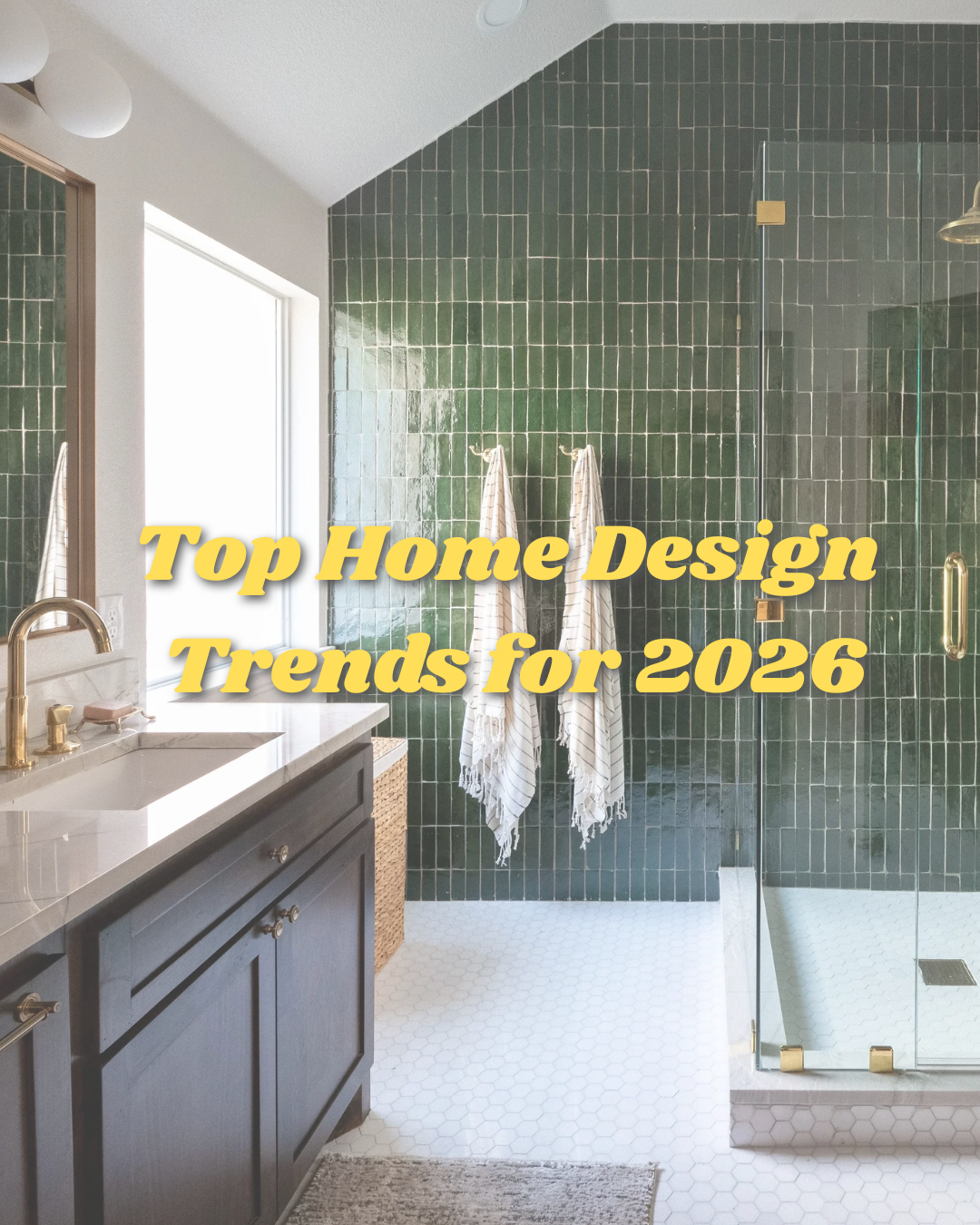
Top Home Design Trends for 2026
As we move into 2026, home design continues to evolve alongside the way we live, work, and entertain. Buyers are prioritizing spaces that feel intentional, functional, and future-proof—while still offering style and personality. Whether you’re planning to sell, renovate, or simply love staying ahead of the curve, these are the top home design trends shaping the real estate market in 2026.
1. Warm Modernism Takes Center Stage
The stark, all-white modern look is officially softening. In 2026, we’re seeing a rise in warm modern design—think clean lines paired with earthy tones, natural textures, and cozy finishes. Light woods, warm taupes, clay tones, and soft creams are replacing cooler grays, creating homes that feel both elevated and inviting.
Why it matters for resale: Buyers are drawn to spaces that feel modern but livable. Warm modern interiors photograph beautifully and appeal to a wider audience.
2. Kitchens Designed for Living, Not Just Cooking
The kitchen continues to be the heart of the home, but in 2026 it’s doing even more. Oversized islands, secondary prep kitchens (or hidden pantries), and built-in beverage stations are increasingly popular. Statement range hoods, fluted cabinetry, and mixed materials—like wood paired with stone—add character without overwhelming the space.
Pro tip: Updated kitchens remain one of the highest-return improvements for sellers, especially when design choices feel timeless rather than trendy.
3. Spa-Inspired Bathrooms
Bathrooms are becoming personal retreats. Expect to see more walk-in wet rooms, oversized showers, soaking tubs, and natural stone finishes. Floating vanities, soft under-cabinet lighting, and minimal hardware create a calm, high-end feel.
Buyer appeal: Homes with updated, spa-like bathrooms often stand out in listings and justify stronger pricing.
4. Flexible Spaces Are a Must
As remote and hybrid work continue, buyers want homes that adapt. Flex rooms that can function as an office, gym, playroom, or guest space are highly desirable. Pocket doors, built-in shelving, and smart storage solutions allow spaces to change as needs evolve.
Market insight: Homes that offer flexibility tend to attract more interest from buyers in multiple life stages.
5. Indoor-Outdoor Living Gets an Upgrade
Outdoor living is no longer an afterthought. Screened-in porches, covered patios, outdoor kitchens, and pools continue to be strong selling features—especially in coastal and Florida markets. Retractable doors, seamless flooring transitions, and thoughtful lighting blur the line between inside and out.
2026 focus: Private, low-maintenance outdoor spaces that feel like an extension of the home.
6. Sustainability That’s Subtle but Smart
Energy efficiency remains important, but buyers now prefer sustainability that doesn’t sacrifice style. Energy-efficient windows, improved insulation, solar-ready features, and smart home systems are expected—not flashy. Durable, long-lasting materials are also a key part of this shift.
Why it matters: Homes with energy-efficient features often sell faster and provide long-term value for buyers.
7. Personality Over Perfection
In 2026, buyers are embracing homes with character. Accent walls, textured finishes, curated lighting, and thoughtful details help homes feel memorable. The trend isn’t about bold everywhere—it’s about intentional moments that add depth and warmth.
What This Means for Buyers and Sellers
For sellers, aligning your home with these design trends—without over-personalizing—can help your property stand out and attract stronger offers. For buyers, understanding current design trends helps you spot long-term value and envision how a home can evolve with you.
If you’re considering buying, selling, or updating your home this year and want guidance on what design choices make the most sense for our local market, I’m always happy to help.
Because great design isn’t just about how a home looks—it’s about how it lives.